
5 Ways Neighboring Businesses Can Support Each Other’s Growth
In big cities, businesses grow on the momentum of foot traffic. People wander, discover, and stumble into places they didn’t even know they were looking for.
But in small towns - in places like Glens Falls, Queensbury, Lake George - it works differently. People have to make an intentional choice to show up.
They're deciding to leave the house, carve out time, and make the drive.
And for most people, one shop or one restaurant isn’t enough of a reason to do all that. They come for the experience of a place, the sense that there’s enough happening to make the trip worth it.
And that’s why neighboring businesses matter so much to each other.
What small towns do have is each other, and that’s a strength if we choose to lean into it.
“Support local” gets said a lot, but most of the time it ends up meaning likes, shares, and the occasional review. Those things aren’t bad, but they don’t build the kind of momentum a small town needs to thrive.
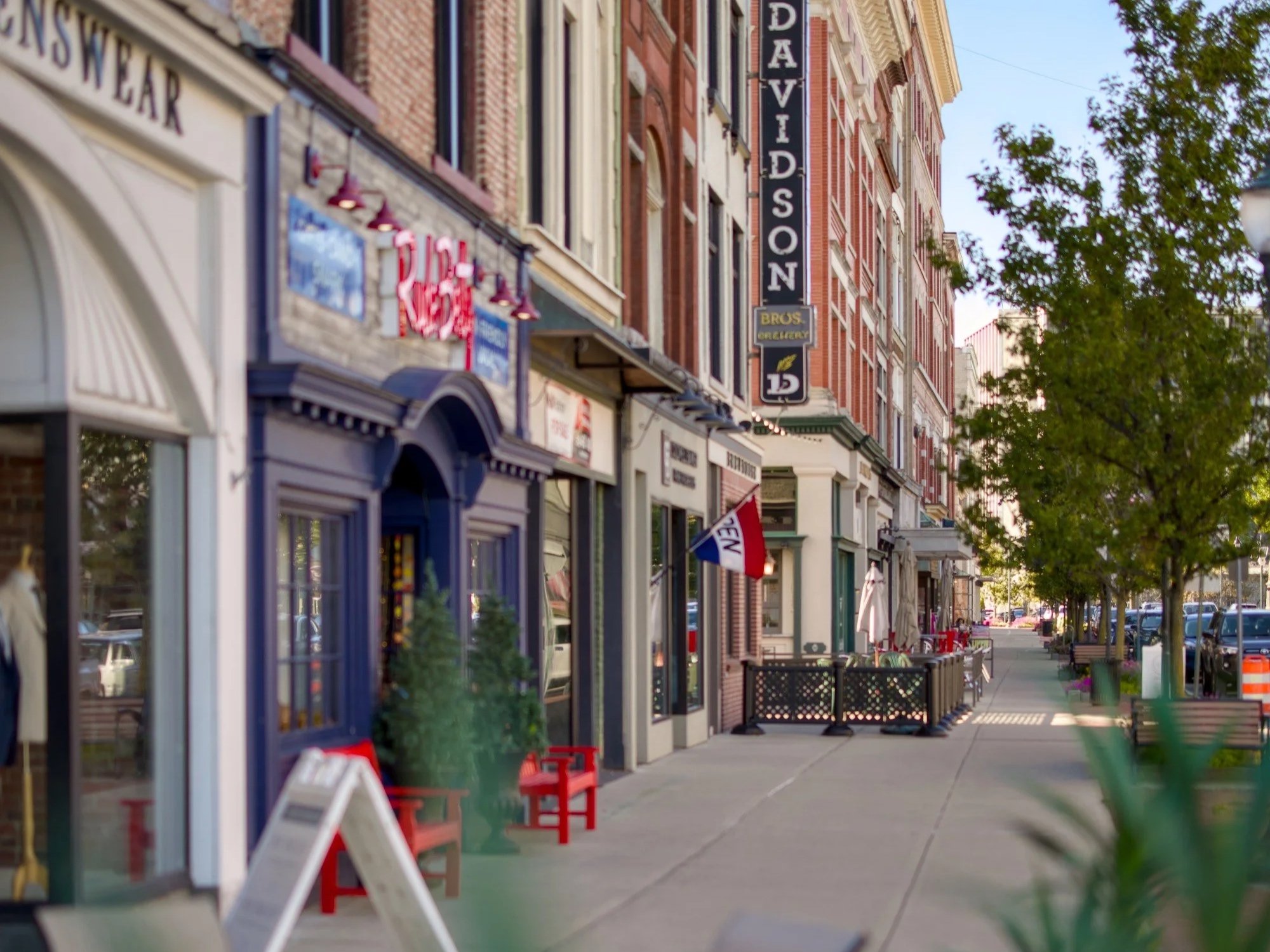
Photo by Black Mountain Visuals
So here are five ways neighboring businesses can support each other’s growth and help turn Glens Falls, and any small town, into a community of thriving businesses.
1. Share Operational Knowledge (the stuff no one talks about publicly)
Every business owner has a mental list of things they wish someone had told them sooner: which vendors actually show up when they say they will, who to call when the sidewalk needs attention, which software is worth the subscription.
In a place like Glens Falls or anywhere in the wider Warren County region, this kind of information is often learned the hard way through trial and error. When business owners share what they’ve learned, it shortens someone else’s learning curve. It isn’t just helpful, It’s a way of saying, “I want you to succeed here too.”
Sharing operational knowledge is the kind of support that actually moves the needle for a business owner and helps all of us build something sustainable together.
2. Coordinate Your Calendars
Something special happens when businesses in a small town pay attention to timing. Not to avoid stepping on each other’s toes, but to make the most of the moments when people are already out, already parked, already in the mood to do something.
Think about the natural rhythms at work:
Hockey nights bring a built-in crowd downtown. A restaurant offering a quick pre-game special makes perfect sense, and a post-game snack spot gives that same crowd a reason to stick around after the final buzzer.
There's a reason some of the busiest Saturday mornings for downtown shops happen to coincide with the farmers market. People are already there, already in the mood, and one good thing leads to another. The businesses that lean into that energy know they don't have to work as hard to get someone through the door.
A summer concert night doesn't just fill the park. A café with a grab-and-go picnic box turns a night out into a full experience. And the shops that stay open a little later or put together a concert night special find that the crowd is already warmed up and happy to browse.
The concert didn't just bring people to the park, it brought them downtown.And the best part? When businesses build around each other instead of beside each other, the whole town feels it. There’s a rhythm. It gives people a reason to say, “Let’s go downtown tonight.”
3. Create Shared Experiences That Blend Audiences
When neighboring businesses create simple moments that introduce their customers to each other, audiences blend, energy builds, and the whole community feels more vibrant.
Think of a “ Mystery Night Out,” where a local bookstore spotlights a mystery author and the neighboring boutique curates an inspired display. Think sleuth‑worthy scarves or main‑character‑energy accessories. Two customer bases suddenly have a shared reason to move between shops, and both businesses benefit from the crossover.
Or picture a “Move + Sip” morning, where a fitness studio and a smoothie bar team up. A grounding workout followed by something nourishing to sip on. It’s a moment that feels good for the soul and good for businesses. Customers leave energized, and both places benefit from the natural crossover.
These kinds of shared experiences do more than create a fun moment. They expand reach, deepen relationships, and build the kind of economic momentum small towns rely on.
4. Refer Business Intentionally (and generously)
Referrals keep a local economy moving. A thoughtful recommendation is more than just good manners, it’s economic oxygen.
And sometimes the most meaningful referrals aren’t business‑to‑business at all. They’re the moments when someone in the community needs help, and you take a minute to think with them, point them toward a better fit, or connect them with a business who can say yes. That kind of care stays with people.
Intentional referrals sound like:
“They’re great at this — tell them we sent you.”
“Here’s who to talk to over there.”
“Let me think about who might be a better fit — I’ll circle back.”
When businesses show up for each other — and for the people who live here — it creates a culture of abundance.
5. Advocate Together for Shared Needs
Every community has things that would make doing business easier: clearer signage, safer crosswalks, smoother permitting, stronger communication.
And while local leaders often want to support improvements, they are not living the day to day reality of running a business. They can’t read minds and don’t always know what would make a difference for the people who run businesses and their customers.
That is why speaking up together matters.
Advocating together does not have to be formal or complicated. Sometimes it is as simple as a shared email thread where business owners compare notes and agree to bring the same message forward so it lands with clarity instead of noise. Even small coordination helps leaders understand what is needed and why it matters.
And that is where unity becomes powerful. When businesses speak with a shared voice, it reminds everyone - including the people making decisions - that the business community is not a collection of isolated storefronts. It is an ecosystem, a living, breathing part of the local economy.
We grow faster when we grow together
Small towns thrive when businesses treat each other like neighbors, not competitors.
You may not have the built-in foot traffic of an outdoor mall full of big box stores, but you have something they don't - a community that actually knows your name, remembers your story, and wants to see you make it.
That's not nothing. That's everything!
The businesses that last in a place like Glens Falls tend to be the ones who figured that out early. They show up for each other, send customers next door, collaborate instead of compete, and build the kind of trust that no ad budget can buy.
Customers feel that unity, even when they can't quite name it. It's the reason they keep coming back.
If you're a local business owner in the greater Glens Falls region looking to stay connected, WorkSmart's Social Membership was built for exactly that. It's not about needing a desk.
It's about joining a community where people share ideas, support each other, and learn together through workshops and events full of real conversations that help move your business forward.